Japan Vertical Farm Co., Ltd.
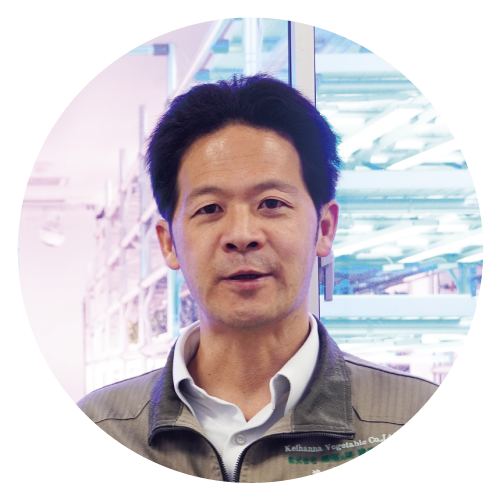
Representative Director: Yushihisa Ike
After gaining practical experience in small-, medium-, and large-scale plant factories at a foreign-affiliated consulting firm and a plant factory operating company as a First-Class Registered Architect, he founded the company.
This seminar provides a systematic overview of the current state of plant factories, including differentiation strategies and practical case studies required for achieving profitability.
Participants will also gain insights into the factors affecting vegetable quality, such as seasonal conditions, cultivation methods, and regional differences, as well as the relationship between organic vegetables and plant-factory-grown produce. In addition, the seminar explains the high quality of Japanese organic vegetables and the impact of global warming in an easy-to-understand manner.
The program further covers the advantages and disadvantages of open-field farming, greenhouse cultivation, and plant factories, along with fundamental technologies such as environmental control, hydroponic nutrient systems, automation, image processing, and AI applications. Domestic and international market trends will also be discussed.
The seminar is designed with a practical focus, centered on knowledge directly applicable to plant factory operations and business development.
The lecturer has been involved in technology development and operations in the plant factory industry for approximately 17 years since its early stages, and will share practical expertise and insights gained through hands-on experience in the field.
・Comparison of the quality of current plant-factory-grown vegetables and open-field vegetables, and analysis of existing challenges
・Product development from a consumer perspective (high antioxidant levels × low nitrate content)
・Nitrate nitrogen levels in hydroponic cultivation and key considerations (examples ranging from approximately 6,000–9,000 ppm or higher)
・Evaluation standards for nitrate nitrogen and the concept of “safe vegetables” (including EU standards)
・Fundamentals of cultivation control based on plant physiology
・Characteristics and challenges of DFT and NFT cultivation systems
・The current state and limitations of AI and automation technologies, and the design of optimal operational systems
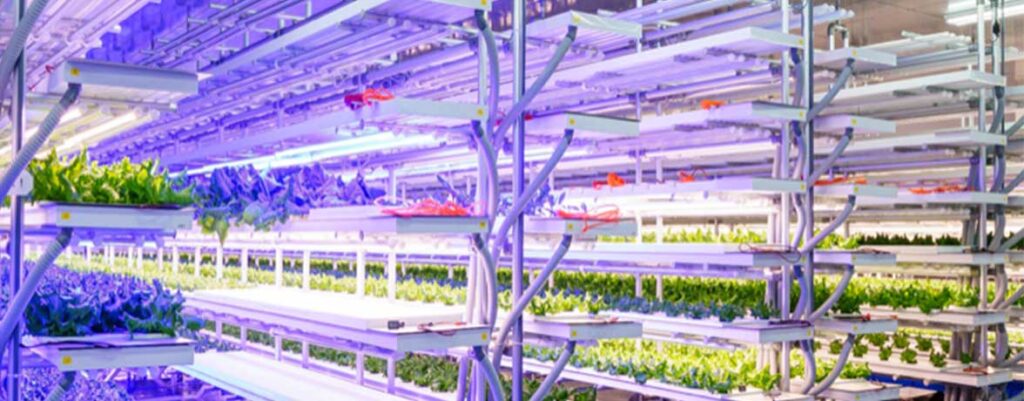
・Comparison between horizontal and vertical cultivation systems and their appropriate applications
・Revenue structures in the plant factory business and the importance of differentiation strategies
・Cost structures and case studies on the utilization of subsidies and grants
・Agriculture-welfare collaboration (employment support services Type A and B) and applications in education (natural sciences, food education, and emotional development)
・Business potential of leafy vegetables, fruit vegetables (such as strawberries and melons), root vegetables, grains, and medicinal herbs
・Trends in domestic and international markets
・The role of plant factories in food security and Japan’s future direction and contribution to the global community
When organic matter is mixed into soil, microbial activity eventually breaks it down into stable inorganic compounds under current atmospheric conditions.
Plants absorb those inorganic compounds through their roots and, through photosynthesis, convert them back into organic matter.
The inorganic compounds generated by the decomposition of organic matter in soil through microbial activity are the same components as the inorganic compounds contained in chemical fertilizers.
Therefore,
from the perspective of plant growth, hydroponic cultivation using chemical fertilizers dissolved in water and soil cultivation (including organic farming) are based on the same principle.
[Cited from the Kyoto Prefectural University Next-Generation Plant Factory Research Project Report]
03
What Are Organic Vegetables?
The Impact of Global Warming
Advantages of Organic Farming
As plants grow, they absorb nutrients that are gradually decomposed by microorganisms in the soil.
In recent years, due to global warming, a decline in the quality of vegetables grown in Japan’s highland regions has been observed.
The decomposition rate of organic fertilizers by microorganisms depends on temperature.
It is believed that this causes fertilizer components to be generated in a short period of time. IIn natural environments, however, controlling microorganisms is realistically very difficult.
For example, Rome, Italy — where organic farming is widespread — is located at roughly the same latitude as Hakodate, Japan.
In other words, it is important to recognize that much of the world’s organic farming is practiced in climates similar to Hokkaido in Japan.
[Cited from the Kyoto Prefectural University Next-Generation Plant Factory Research Project Report]
04
What Defines Vegetable Quality?
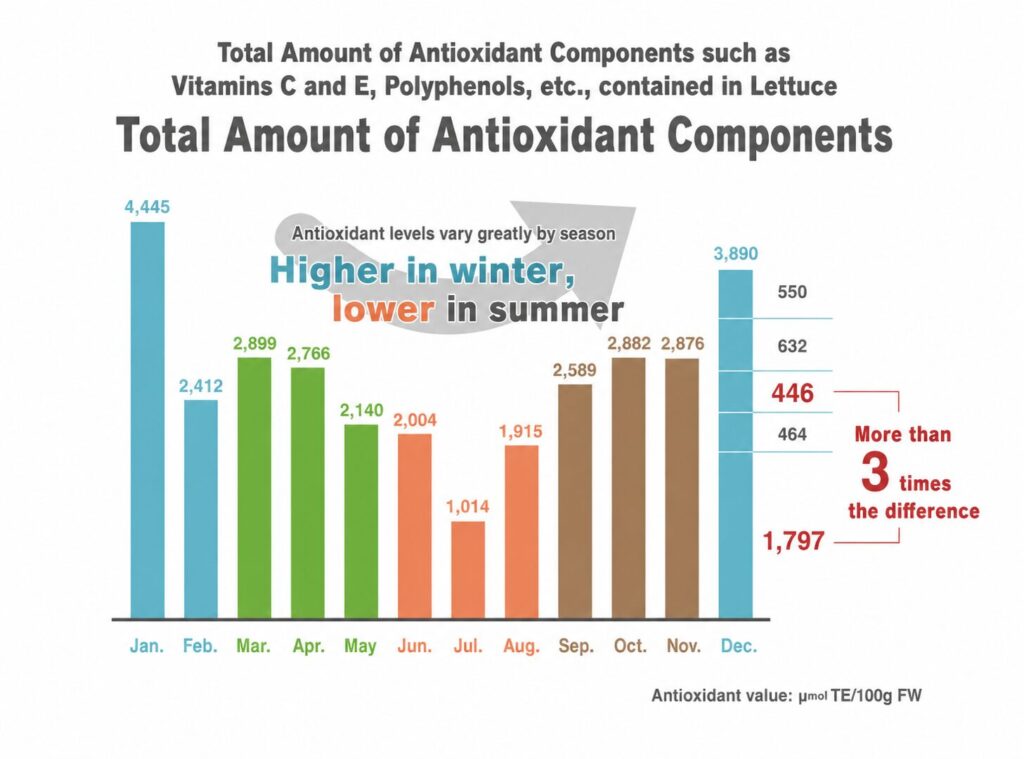
Example: Antioxidant Components
Values vary not only by season, but also depending on the cultivation region and cultivation method.
[Nutritional Value Graph of Open-Field Vegetables]
Advantages and Disadvantages of
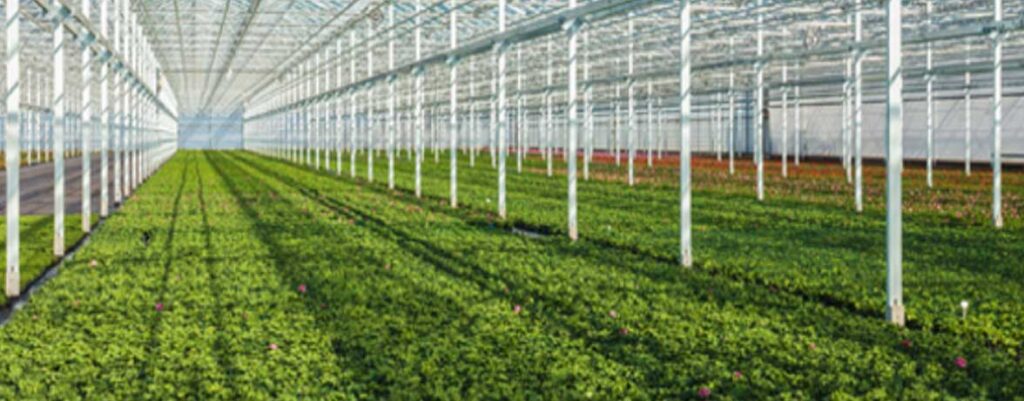
Open-Field Agriculture / Greenhouses / Vertical Farm
Characteristics of Open-Field Agriculture, Sunlight-Utilizing Systems, and Fully Artificial-Light Systems
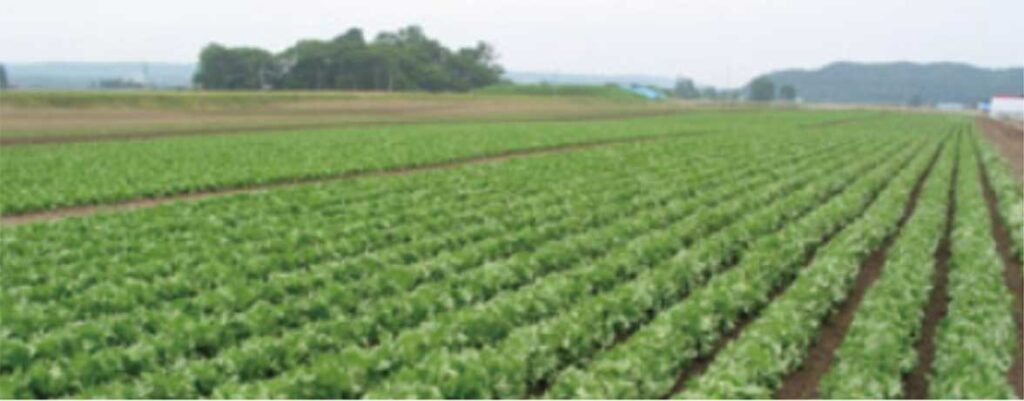
Open-Field Agriculture
• Extensive experience is required to manage diseases, insects, climate conditions, weeds, and fertilization.
• Under Japan’s hot and humid climate conditions, the use of agricultural chemicals (fungicides and insecticides) is unavoidable.
Priority is often given to developing disease-resistant varieties.
• The quality of cultivated and harvested crops is highly susceptible to weather conditions.
• Maintaining consistent vegetable quality is extremely difficult.
• Risk of contamination by soil-borne pathogens.
Vertical Farm • Work processes and procedures are clearly defined.
Seeding → Seedling cultivation → Harvesting → Packaging → Washing
• Stable quality control of vegetables.Vegetable quality is determined by the cultivation equipment and cultivation methods.Worker skill level has little impact on quality.
• Plant factories provide a clean and comfortable working environment
(maintained year-round at approximately 20–25°C with around 50% humidity).
Suitable workplaces for women, elderly individuals, and people with disabilities.
• Initial investment is required.
Open-Field Cultivation
Light Source:
Sunlight
Climate Influence:
Affected
Soil Influence:
Affected
Agricultural Skills:
Extensive experience required
Pest/Disease Risk:
High
Cost
Low
Environmental Control:
Difficult
Main Crops:
All crop types
Land Productivity:
-
Water Use Efficiency:
-
Electricity Use Efficiency:
High
Open-Field Cultivation
Sunlight-Utilizing Greenhouse Type
Light Source:
Sunlight (+ supplemental lighting)
Climate Influence:
Slightly affected
Soil Influence:
No influence
Agricultural Skills:
Especially requires experience in pest control
Pest/Disease Risk:
Medium
Cost
Medium
Environmental Control:
Depends on external environment
Main Crops:
Fruiting vegetables such as tomatoes, leafy vegetables